
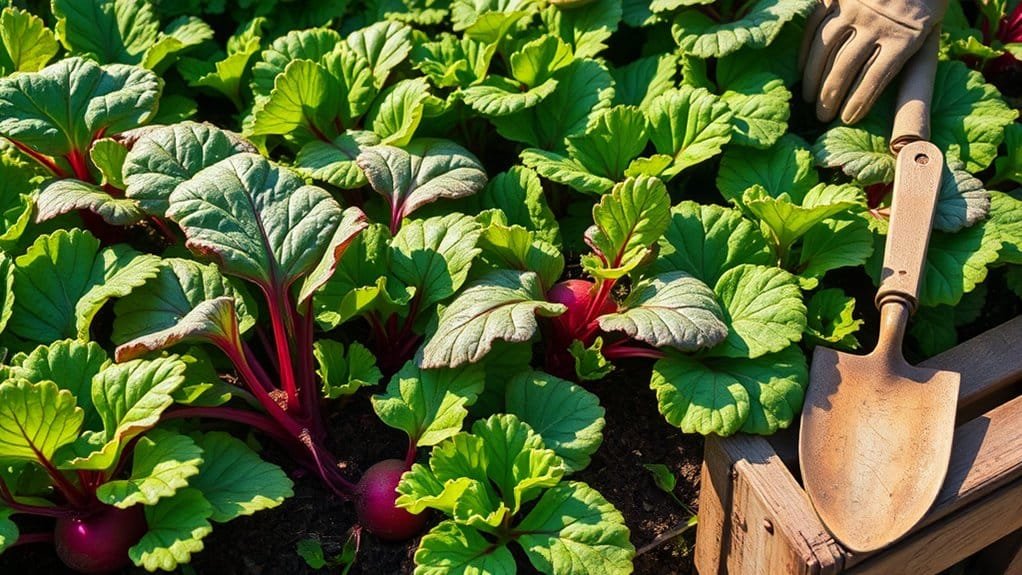

For a successful beet harvest I have found a few important tips that make a world of difference. Start planting after the last frost and make sure your soil is loose and well-draining with a pH of 6.0–7.0. Proper spacing is vital—aim for 5–8 cm between beets. Regular watering is essential; I prefer deep watering in the early morning to keep moisture consistent. Monitor the size of the beets to decide when to harvest; they taste best when about the size of a golf ball. By following these basics, you will enjoy a rich harvest, and there is more to discover to maximize your beet-growing adventure.
Main points
- Check beet size regularly; harvest them when they reach a diameter of 5–10 cm for optimal flavor and texture.
- Plant beets at the right time, usually from early spring to late summer, to ensure successful growth and harvest.
- Maintain proper spacing of 5–8 cm between beets and 30–45 cm between rows to promote healthy growth and minimize competition.
- Use deep watering techniques to ensure moisture reaches the entire root ball, which promotes beet development and prevents stress.
- Store harvested beets properly using methods such as sand storage or sealed containers to preserve quality and extend shelf life.
Ideal planting times
When it comes to planting beets, timing is everything, and understanding your local climate can make the difference. I have learned that knowing your average dates for the first and last frost is crucial. You want to plant after the last spring frost to avoid damaging those sensitive seedlings.
In milder areas I often plant in early spring or even in autumn, taking advantage of the cooler temperatures. Beets do well when planted from early spring through late summer. For a spring harvest I make sure my seeds go into the ground as soon as the soil is workable after frost.
For an autumn harvest I plan about 8 to 10 weeks before the first expected frost. This is where climate considerations really come into play. In temperate regions I aim for late March to early May, while in cooler climates I plant as soon as the soil is workable.
Warm regions offer the opportunity to plant in autumn or early winter. It’s all about adapting to regional differences. I always recommend local gardening guides or resources like plantmaps.com for specific planting times tailored to your area. Additionally, note that beets can be sown directly outdoors from March to July for optimal growth. To ensure the best possible growth, enrich your soil by mixing 2 cm of compost into the top 5 cm of soil before planting, as this can significantly improve soil fertility and structure. Happy planting!
Soil preparation is essential
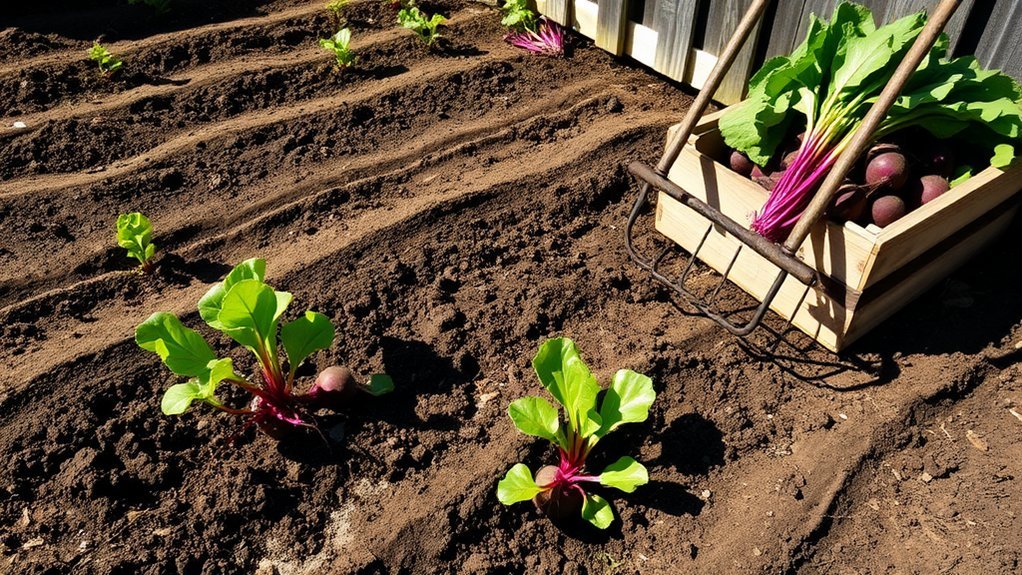
Preparing the soil is a vital step for a successful beet harvest. I have found that beets thrive best in well-draining, loose soil with a slightly acidic to neutral pH. Heavy clay can be a real obstacle for root growth, so I always focus on improving soil structure. Adding sand or compost is a great way to improve texture, and I mix in one-fifth coarse sand for a lighter potting mix. It’s important to consider that beets can be sown directly into the ground, which can also influence how you approach soil preparation. Regular assessments and adjustments based on soil analysis can dramatically improve conditions for beets so they receive the optimal balance of nutrients and pH.
Here is a quick reference table for effective soil preparation:
| Step | Action | Goal |
|---|---|---|
| Assess soil structure | Test for drainage and compaction | Ensure beets can grow freely |
| Amend soil | Add sand or compost | Improve soil structure |
| Fertilize | Apply a general garden fertilizer | Provide essential nutrients |
| Adjust pH | Test and lime if necessary | Optimize for beet growth |
| Improve drainage | Create raised beds or add organic material | Prevent excess moisture |
I also make sure not to use excessive nitrogen, as this can lead to lush foliage at the expense of root development. With these tips I’m ready to grow a healthy crop of beets!
Correct spacing techniques
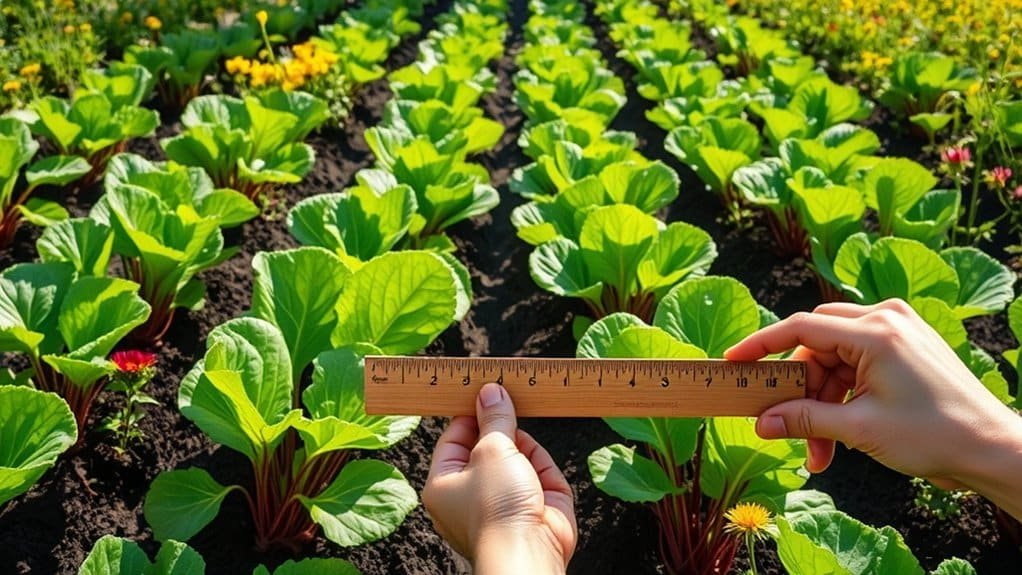
When it comes to growing beets, the proper spacing is crucial for their development.
I always make sure to plant the seeds at the correct depth while maintaining a spacing of 5–8 centimeters between each beet and 30–45 centimeters between the rows. This thoughtful layout not only promotes healthier growth but also maximizes my harvest potential. Additionally, proper plant spacing aids efficient light use, which leads to faster foliage build-up and reduced weed growth.
Importance of seed depth
The correct sowing or planting depth is crucial for a successful beet harvest. I have learned that the ideal sowing depth for beets is about 1–2 cm. If I plant the seeds too deep, emergence can be delayed or even fail. It’s essential to adjust depth based on soil moisture and temperature conditions. Optimal sowing depth is the key to maximizing yield potential and ensuring healthy plant development.
Here is a quick reference table highlighting the effects of sowing depth:
| Sowing depth | Effect on seedling vigor |
|---|---|
| Shallow (1–2 cm) | Quick emergence, reduced disease risk |
| Medium (2–3 cm) | Longer emergence time, suitable for some varieties |
| Deep (>3 cm) | Risk of root rot, poor stand vigor |
I’ve also noticed that different varieties have varying coleoptile lengths, which can influence how deep I should plant. Taller varieties can cope better with deeper planting than shorter ones, which should be sown more shallowly. Always monitor soil conditions and adjust as needed; this is vital for ensuring robust seedlings and an abundant beet harvest!
Row and plant spacing
Good row and plant spacing is essential for achieving a successful beet harvest. I’ve learned that effective row management starts with ensuring adequate distance between your rows. This not only prevents overcrowding but also promotes growth.
When rows are too close together, beets compete for nutrients and space, leading to smaller roots and subpar yields. By leaving enough room, I can easily access the soil for watering and maintenance without damaging the roots.
Regarding plant spacing, I find that thinning beets is crucial. Initially I ensure there’s enough distance between each plant to prevent crowding. During thinning I selectively remove the smaller beets so the larger ones can continue growing undisturbed. This spacing strategy helps me avoid competition for water and nutrients, promoting healthy development. I also make sure to systematically remove the largest beets while thinning to give the smaller ones a chance to thrive.
Effective irrigation practices
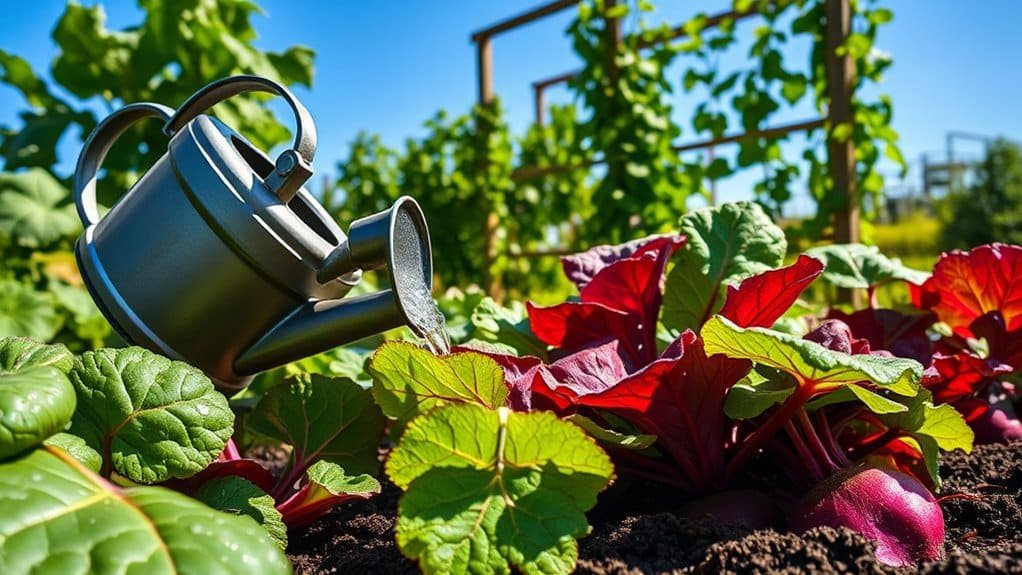
To ensure your beets thrive, it’s essential to apply effective irrigation practices that focus on the roots where they need moisture most. Here are some key strategies I have found useful:
- Deep watering: Make sure you soak the entire root ball, which is roughly the same size as the plant above ground. This encourages deep root growth and better moisture retention.
- Timing matters: Water early in the day when the soil feels dry. This allows your beets to take up moisture during the day and reduces evaporation losses.
- Use efficient methods: Implement drip irrigation or soaker hoses to deliver water directly to the soil. This not only saves water but also makes monitoring moisture easier, since you can more clearly observe soil conditions.
Fertilization strategies
Fertilization strategies
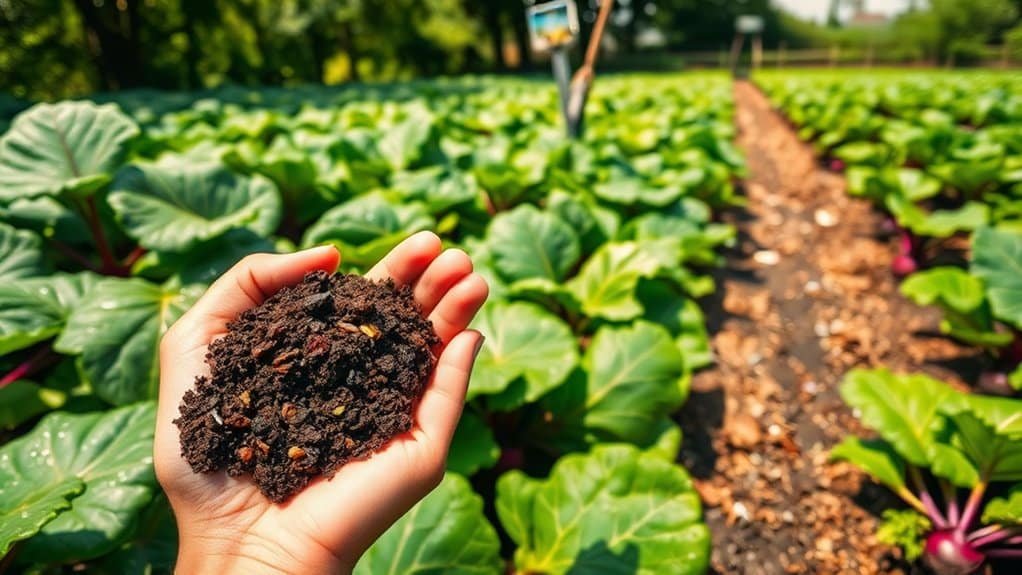
When it comes to fertilization strategies for beets, I have found that soil nutrient tests are essential to understand what your plants truly need. Incorporating organic matter can significantly improve soil health, while slow-release fertilizers provide a steady supply of nutrients throughout the growing season. Managing nitrogen and potassium is particularly important for beet quality, as these elements directly affect the overall health and yield of your crop.
Soil nutrient test
Testing your soil is a crucial step to guarantee a successful beet harvest. It helps me understand the nutrient levels and potential deficiencies that may affect my crop.
Here are three key benefits of soil nutrient tests:
- Identifies nutrient levels: I can determine levels of phosphorus, potassium, magnesium, and calcium, which are essential for healthy beet growth. Understanding the nutritional values of beets also helps me tailor my fertilization strategy effectively.
- Adjusts soil pH: Tests reveal pH values, allowing me to apply lime as needed to balance acidity.
- Provides fertilization guidelines: It offers recommendations on how much nitrogen, phosphorus, and potassium to apply per acre.
Incorporating organic matter
Incorporating organic matter into my soil is one of the most effective strategies for promoting sugar beet growth and overall soil health. By using various soil amendments such as compost and manure, I can significantly increase organic carbon content, which improves water regulation and the nutrient cycle. This means I become less dependent on external fertilizers, keeping nutrients close to my field.
I often include cover crops in my rotations. Their root systems decompose and return nitrogen and carbon to the soil. Leaving crop residues on the field is also a great practice; it builds organic matter in the soil over time. I’m encouraged by the growing interest among dairy farmers to grow fodder beets, which highlights the renewed potential of this crop.
For effective application I focus on conservation tillage to minimize soil disturbance so organic inputs can accumulate. Timing is crucial as well; I add organic material before planting or after harvest to maximize benefits.
I’ve learned that gradual increases in soil organic matter are more realistic over a decade, so patience is essential. By consistently adding organic material through a combination of methods, I prepare my beets for success while improving soil health for years to come.
Controlled-release fertilizers
My experience with controlled-release fertilizers (CRFs) has transformed how I approach beet growing. The controlled-release benefits of these fertilizers have simplified my nutrient management and improved my harvest performance. I no longer worry as much about overwatering or nutrient shortages, as CRFs consistently supply the nutrients my beets need throughout their growth cycle.
Here are three key benefits I have found:
- Efficiency: CRFs release nutrients slowly in sync with plant uptake, reducing the need for repeated applications.
- Sustainability: By minimizing nutrient losses, I also reduce environmental impact and maintain healthy soil for future crops.
- Convenience: With application techniques like mixing granules into the soil before planting, I avoid the hassle of water-soluble fertilizers. Additionally, the temperature-sensitive coating ensures nutrients are supplied during peak growth periods.
To get the most out of CRFs, I always water thoroughly after application and adjust dosages based on container size.
By matching the release rate to my plants’ needs, especially during rapid growth, I’ve seen significant improvements.
Adopting CRFs has made my beet growing not only easier but also more productive!
Pest and disease control
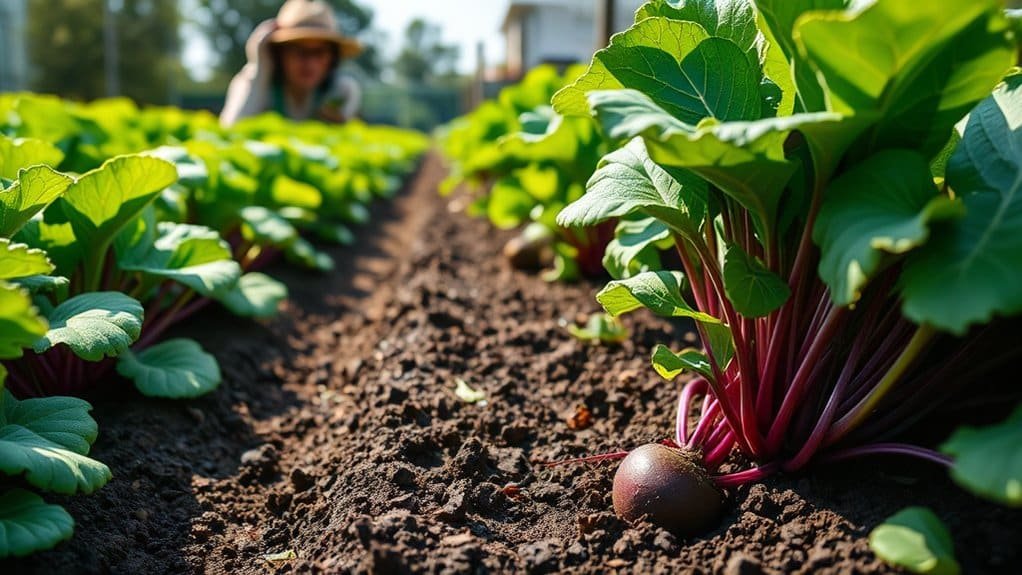
Managing pests and diseases is crucial for a successful beet harvest. I have found that using integrated pest management (IPM) techniques significantly reduces the risks associated with common threats like the beet weevil and the beet fly.
Regular inspection of your plants helps with early detection, allowing you to act before infestations escalate.
For the beet weevil I practice good crop rotation—at least four years—and maintain loose soil with a pH around 6.5. If I notice the beet fly, I spray with a nettle solution mixed with sugar or spirit. I also watch for the presence of green aphids, as they can cause curled leaves and the development of sooty mold.
Growing companion plants like onions can also help repel these pests.
For diseases I focus on healthy soil and apply crop rotation. I remove infected plants quickly to prevent spread.
Incorporating beneficial microorganisms for biological control can greatly improve plant health. I often use neem oil and copper-containing products for disease control without harmful residues.
To further enhance the effectiveness of biological control methods, introducing plants like marigolds and garlic near the beets can help naturally deter ants and other pests, contributing to a healthier, more sustainable garden environment.
Timing your harvest
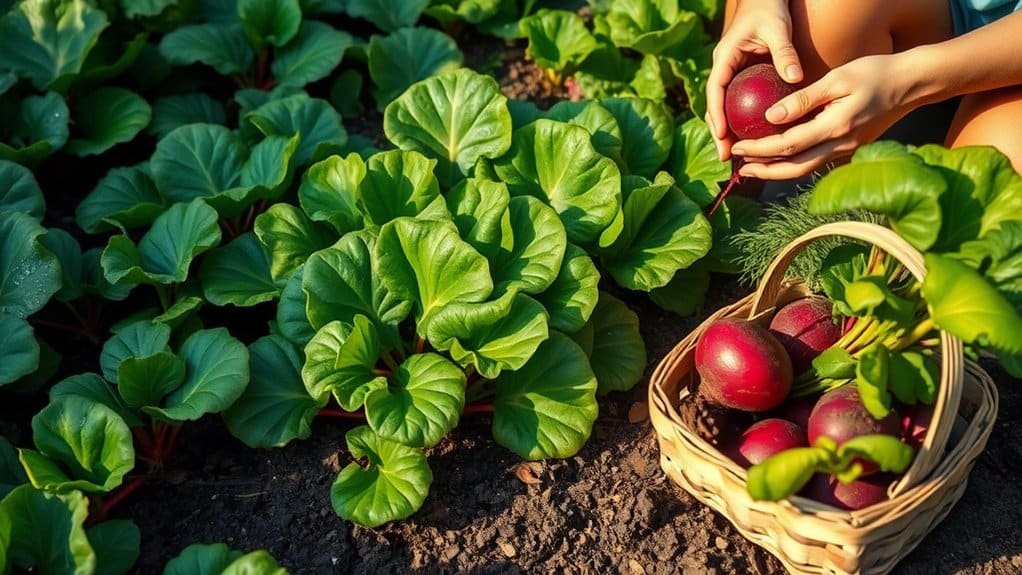
Have you ever wondered when the perfect moment is to harvest your beets? Harvest timing is crucial for achieving the best flavor and texture. Here are three key points I always keep in mind:
- Growth monitoring: I check my beets regularly. They are ready when they are about 5–10 cm in diameter. If you’re not sure, you can gently remove some soil around them to assess their size without pulling them out of the ground.
- Ideal harvest period: Depending on when I sowed my seeds, I know I can harvest from May to November. Early-sown beets can be ready in June, while those sown in July may continue growing into November. Remember the optimal growing temperature is between 10 to 25 degrees Celsius, which can affect readiness.
- Harvest indicators: I watch for signs that it’s time to harvest. If beets become too large they can get tough and lose sweetness. I prefer beets about the size of a golf ball for that perfect flavor.
Also consider the weather. Too much rain or frost can affect their development.
Harvesting techniques
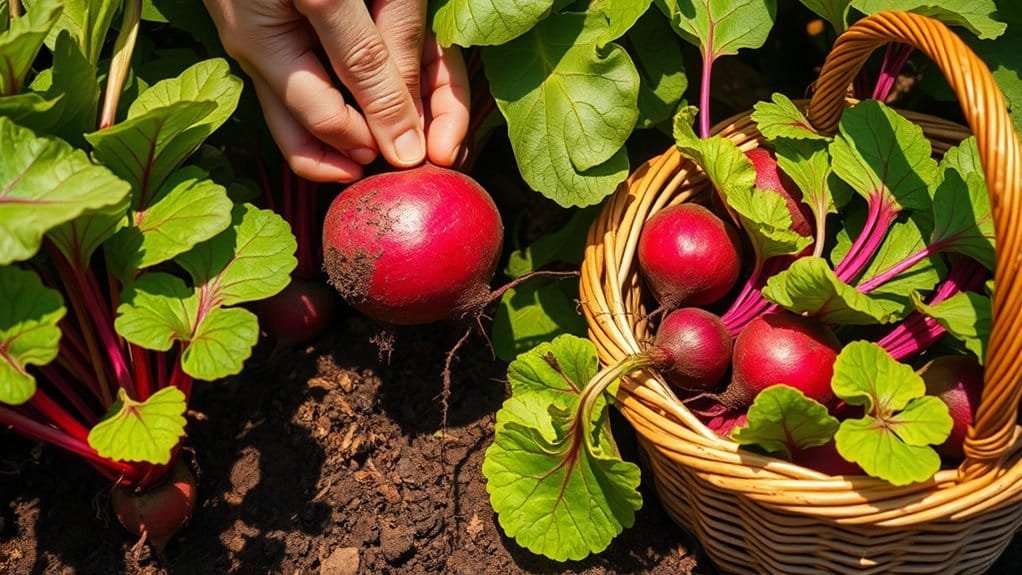
When it comes to harvesting beets, using the right techniques can make a world of difference in ensuring a successful yield.
I have found that investing in mechanical innovations, such as beet harvesters, really improves efficiency. These machines work day and night during harvest season, allowing me to finish the job quickly.
For precise harvesting I rely on shoe lifters and bunker harvesters. The shoe lifters align neatly, followed by a screw bed that efficiently removes soil.
Bunker harvesters equipped with axial rolls and sieve wheels help clean the beets effectively. I also appreciate the three cleaning zones, which ensure my beets are clean before they are loaded onto the conveyor belt.
Moreover, embracing precision agriculture techniques like GPS and cameras for targeted spraying has revolutionized my approach. These tools enable me to manage my crops precisely, minimize waste, and maximize yield. By integrating these advanced methods I can navigate challenges such as soil structure issues or nutrient loss due to excessive rainfall. In the Netherlands the harvest season usually runs from September to January, which fits well with my planting schedule.
Ultimately, these harvesting techniques not only improve my efficiency but also contribute to the overall quality of my beets.
Storing your beets
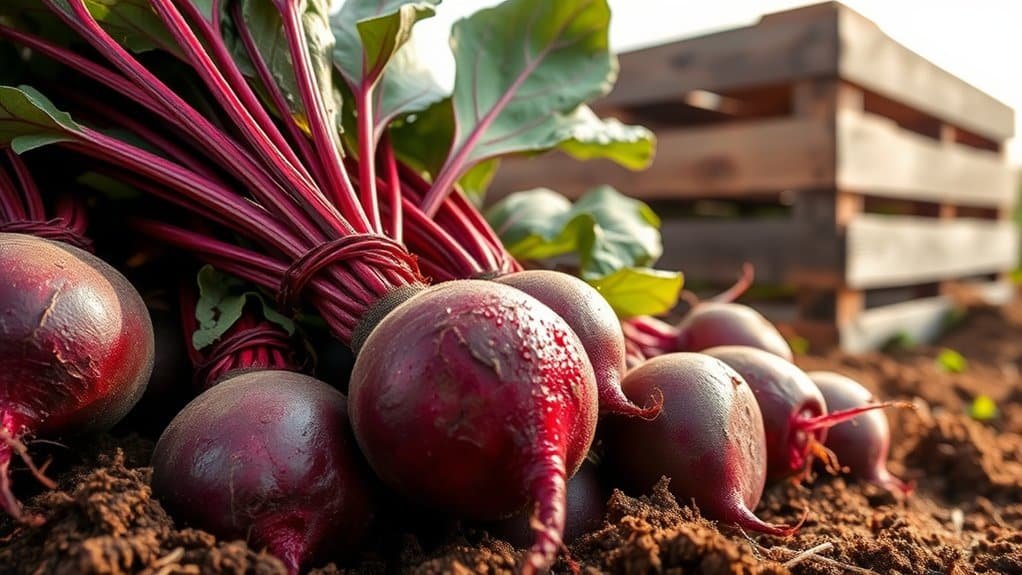
Proper storage is crucial for preserving the quality of my harvested beets. I have learned that good beet preservation can make a difference in taste and texture.
Here are my top three methods for effectively storing beets:
- Refrigeration: I use gallon freezer bags or sealed storage boxes. It’s essential to remove as much air as possible before sealing to prevent moisture buildup. I store the beets in a single layer in the vegetable drawer to avoid spoilage. This method ensures beets can last five months or longer if I check them monthly.
- Sand storage: For long-term storage I gently remove excess soil and trim most of the tops. Then I place the beets in a large container filled with damp sand, making sure they don’t touch, and cover them completely with sand.
- Cellar storage: In a cool, dark cellar I bury harvested beets in moist soil or sand. This method keeps them fresh for up to three months, and I take them out as needed.
Frequently Asked Questions
Which beet varieties are best for home gardens?
When I choose beets for my garden, I like the sweet Red Ace and the vibrant Golden Detroit. Combining them with companion plants promotes beet health, helping me achieve an abundant harvest full of flavor and nutrition.
How can I tell if my beets have been overwatered?
If my beets show leaf discoloration or root swelling, I know I may be overwatering. I check for muddy soil and limp, drooping leaves, and make sure they’re not sitting in water for too long.
Can I grow beets in containers or raised beds?
Yes, I have successfully grown beets in both container gardening and raised beds. Just make sure your containers are deep enough and use quality soil. Both methods provide great conditions for healthy, delicious beets. Happy gardening!
What common mistakes should I avoid when growing beets?
When growing beets I’ve learned to avoid poor soil preparation and neglecting pest control. Proper soil preparation and staying vigilant about pests can make a big difference in achieving a successful harvest.
How do I know when my beets are ready to eat?
I know my beets are ready to eat by checking the harvest time, usually around 50–70 days, and I like to perform a taste test. Smaller, tender beets often have a sweeter flavor that I enjoy.
Conclusion
In conclusion, growing beets can be a rewarding experience with the right approach. By following these tips—the timing of your planting, preparing your soil, and managing pests—you set yourself up for a bountiful harvest. Remember to harvest at the right time for optimal flavor and to store them properly so you can enjoy your beets for months. With a little care and attention, you’ll soon be enjoying the fruits of your labor! Happy gardening!